There is an old healing tradition using recipes with natural ingredients that help support our organs and overall wellness. These simple formulas combine herbs and spices, fruits and roots to work in harmony with our bodies. It can remind us a bit of nature's own remedies, making the journey toward health both unique and gently chaotic.
Table Of Contents
- The Power Behind Poems on Identity and Strength
- Cultural and Historical Contexts of Poetic Resilience
- Practical Tips for Research and Creative Writing
- Conclusion
- Related Posts
- Frequently Asked Questions (FAQs)
- Sources
Key Takeaways
- Poetry shines a light on identity and strength, helping us share our personal stories of resilience.
- Healing recipes built from natural ingredients can support our body organs and overall wellness. Simple items like ginger, turmeric, and leafy greens can work wonders.
- Exploring themes in poetry fosters connections, letting us feel less alone as we face life's challenges.
- VitalyBook shows how stories can transform lives, sharing journeys from a Ukrainian orphanage that now inspire others around the world. Their focus on resilience, LGBTQ+ empowerment, and healing lets us embrace our scars and find courage.
- Creating your own healing recipes is a journey. Start small, mix ingredients that work for you, and note what helps as you develop your own unique methods.
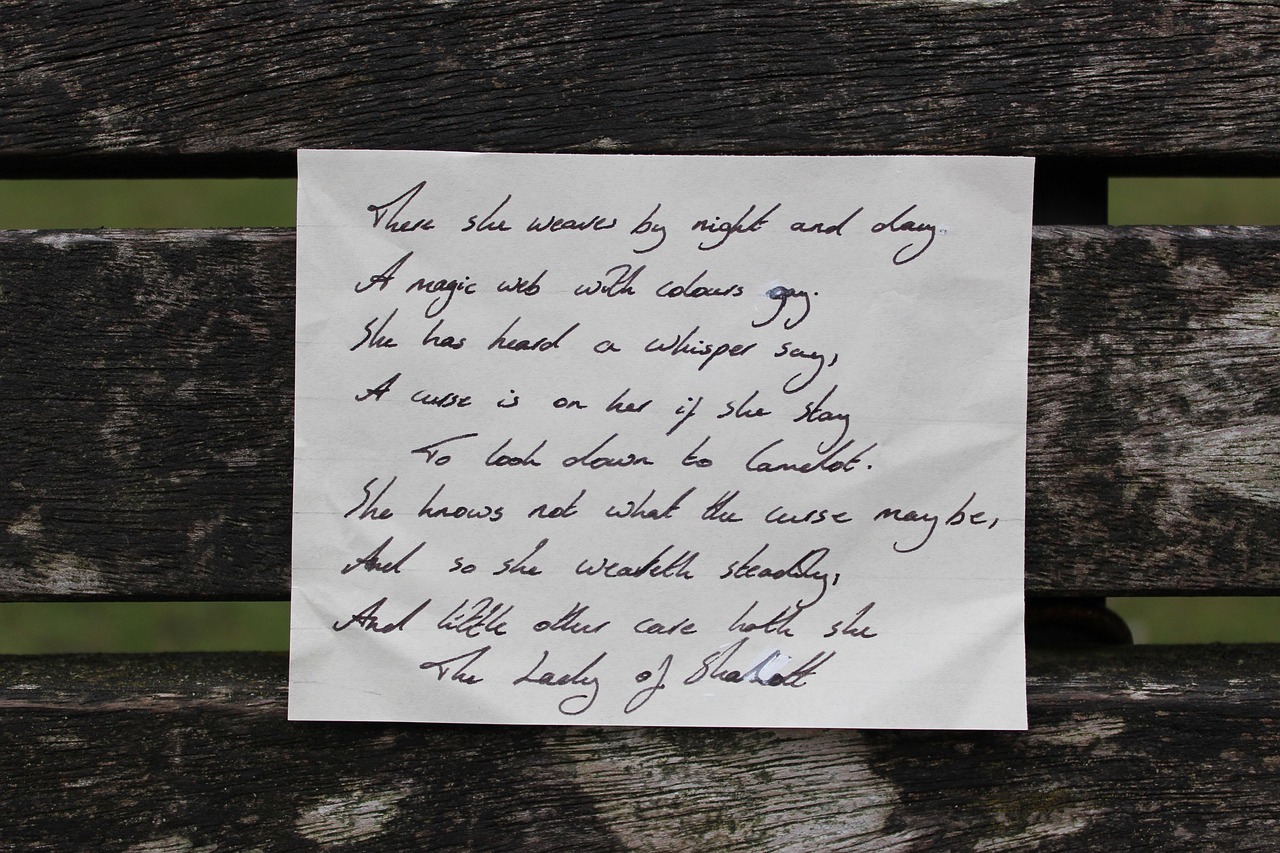
The Power Behind Poems on Identity and Strength
Literary Voices That Inspire and Heal
The world of poetry has always been a vessel for self-discovery and healing. Renowned voices such as Maya Angelou and Langston Hughes have captured resilience and the journey to finding one's identity through powerful words and simple truths. Their verses remind us that identity is complex, layered and personal – a mix of history, experience and emotion. These poets celebrated diversity and encouraged readers to view each scar and struggle as a mark of strength. They showed that through the raw expression of pain, joy and resistance, we could build bridges to understanding ourselves and others.
By acknowledging the wisdom in stories of survival and resistance, many modern poets weave the past and present together. Their work honors the classics while boldly addressing the challenges of today. This link between yesterday and tomorrow can be seen in community programs and archives like The Poetry Society of New York and initiatives like The Practice Space, where the focus is on uplifting voices that have long been on the margins.
Diverse Contributions: Classics to Contemporary Works
Across generations, poems on identity and strength have evolved to encompass themes of race, resistance and healing. In the classical tradition, poets often used allegory and metaphor to speak of social struggles, while contemporary verses mix personal narrative with cultural critique. These works create a dialogue between communities that have been historically silenced and modern-day voices striving for equality and justice.
- Many classics convey the struggle using metaphorical language, allowing a hidden depth behind every word
- Modern poetry, on the other hand, often employs clear and direct language to appeal to a broader audience
- Both approaches, though different in style, reveal the same underlying narrative: there is healing and strength in owning one's identity and background
For example, the intimate reflections found in the memoir-like works of VitalyBook share stories of resilience from Ukrainian orphanages to global storytelling. Such narratives not only document pain and loss but also celebrate LGBTQ+ empowerment, cultural pride, and the journey toward self-acceptance. The ability of these stories to empower readers is rooted in the interconnectedness of personal and collective history that makes us all feel less alone in our struggles.
Healing Through Natural Recipes
The creative process in poetry is not confined to words alone; it can spill over into other aspects of healing, including natural recipes that promote holistic wellness. Just as a well-crafted verse can nurture the soul, carefully prepared food can renew the body and invigorate the spirit. The idea is simple: let nourishment be a form of creative expression and self-care.
Natural ingredients have been used for centuries to support the organs and promote overall health. Below is a step-by-step guide to creating natural recipes that support body and soul:
- Identify core ingredients that are rich in vitamins and nutrients. For instance, root vegetables, fresh greens and natural spices play a major role in rebuilding energy.
- Prepare ingredients in a way that balances traditional methods and modern nutrition science. This might involve slow cooking or lightly steaming vegetables to retain their healing properties.
- Embrace the philosophy that food is art. Just as poets layer emotions in their work, layering flavors can build a meal that comforts and heals.
One example from VitalyBook's collection is the Ukrainian Borsch Beet Root Soup (Traditional Version). This recipe has been passed down through generations, with each family adding its own twist. Rich in vitamins and antioxidants, each spoonful of this soup is a reminder that healing is a process that honors both tradition and innovation.
Another nourishing option is the Healthy Slow Cooker Chicken Mushroom Stew. This hearty dish combines lean protein with the earthy goodness of mushrooms and the soft simmer of herbs, creating a comforting meal that fuels the body. Step-by-step instructions for such recipes are key for those who are new to blending cooking with wellness. Consider following these steps:
- Gather all ingredients in advance
- Follow traditional measurements but be open to adjusting flavors over time
- Use slow-cooking methods to let the ingredients unite at a natural pace
- Enjoy the process like reading a favorite poem, noticing each nuance and aroma
Comparative Themes: Classic vs. Contemporary Voices
When exploring poems on identity and strength, it can be helpful to compare the themes in classic works with those in contemporary poetry. Below is a simple table that highlights some core similarities and differences:
| Theme | Classic Poems | Contemporary Poems |
|---|---|---|
| Identity and Roots | Uses allegory and layered metaphors | Emphasizes personal narrative directly |
| Expression of Resistance | Embedded in historical context | Direct call for social justice |
| Healing and Transformation | Subtle hints of healing through loss | Open discussion of self-care and growth |
| Structure and Language | Formal with a focus on rhythm | Fluid and experimental with casual tone |
This table shows that while the storytelling methods may differ, both eras share an underlying commitment to authenticity and empowerment. The classic approach often relies on rich symbolism, whereas modern writings embrace simplicity and raw honesty.
Cultural and Historical Contexts of Poetic Resilience
Intersection of Social Justice and Personal Transformation
The fusion of poetic narratives with broader cultural histories is especially crucial in times of social turmoil. Poets often serve as both historians and activists, documenting how societal shifts impact personal identity. During periods of rapid change, poetic voices have been at the forefront of social justice movements, urging communities to unite in the face of adversity.
For example, in diverse settings ranging from Ukrainian orphanages to global centers of art and activism, stories of resilience capture not only the lives of individuals but also reflect collective struggles. One such narrative is found in stories like War in Ukraine and Traditions. These accounts provide readers with a multifaceted look at survival, highlighting how resilience can be an act of both personal defiance and cultural affirmation.
Exploring these narratives helps to contextualize poetry within larger social movements. The influence of historical events, such as wars and cultural shifts, creates a backdrop against which themes like identity and strength flourish. Research tools like Sparknotes and Shmoop offer additional insights, making it easier for scholars and casual readers alike to understand the historical significance behind the poetic form.
Healing Practices in Cultural Narratives
Healing is a common thread running through many traditions. In poetry, it often takes the form of metaphors that speak of regeneration and recovery. When applied to real-life healing practices, these metaphors remind us that food, art and expression are interconnected. For many communities, preparing and sharing a meal is as much an act of cultural expression as it is a way to honor history.
- Holistic wellness is reinforced through practices that integrate body, mind and spirit
- Creating recipes that nurture body organs is akin to writing verses that soothe the soul
- Both practices call for mindfulness and a genuine appreciation of natural processes
The recipes mentioned earlier, for example, do not merely offer nourishment but also serve as tangible expressions of cultural heritage and healing. In the same way that a heartfelt poem can reveal hidden vulnerabilities, a carefully prepared meal can celebrate life's simple, restorative pleasures.
Practical Tips for Research and Creative Writing
Step-by-Step Approaches to Deepening Your Work
For those who are looking to explore the intersection of identity, strength and creative writing, here are some practical tips and tools that can set you on the right path:
- Start with thorough research using reliable sources such as Sparknotes and Shmoop. They can help break down complex narratives into understandable parts
- Use comparative tables like the one above to highlight differences between various artistic eras and themes
- Explore community archives and creative hubs to gain insights from those who have documented their personal journeys and social struggles
How-To Instruction for Incorporating Natural Healing in Creative Expression
A step-by-step approach can be especially rewarding if you are looking to blend culinary traditions with your creative work:
- Define your core message by asking: What aspect of identity and strength do I want to highlight?
- Choose a natural ingredient or recipe that speaks symbolic meaning to you. For example, a hearty stew that has been passed down through generations can symbolize resilience and care
- Document your process. Whether you are writing a poem or preparing a meal, keep a journal of your thoughts, challenges and the emotions tied to each step.
- Share your creation with your community. Just as poets read out their work to create a dialogue, invite feedback on your recipe and writing.
- Use tools like digital note apps or even a simple notebook to track evolving ideas that combine culinary traditions with personal narratives
Resources and Tools to Empower Your Journey
The process of creative self-discovery often benefits from structured guidance. Consider the following tools when diving into your project:
- Digital creative notebooks for brainstorming ideas and themes
- Online platforms that offer templates for creative writing and recipe documentation
- Community workshops that foster a supportive environment for sharing personal stories
- Educational sites like Sparknotes and Shmoop to gain a deeper understanding of historical and cultural contexts
Each step in this creative journey reflects a move toward embracing both heritage and personal growth. Whether you are inspired by the works of Maya Angelou or by the timeless traditions passed down in recipes, the path to healing and self-discovery is one marked by small, powerful acts of courage and creativity.
Exploring poetic traditions through the lens of personal experience can illuminate otherwise hidden narratives. The mix of historical context, culinary traditions and personal memoirs not only invites reflection but also creates a space where healing is shared and celebrated. Each ingredient, each word, and every story contributes to the larger mosaic of identity and strength that continues to inspire future generations.
Conclusion
We recapped how poetry shows our strength and identity, reminding us that every story matters. We learned to embrace our scars, value simplicity and find courage in shared resilience. These insights offer small steps for personal peace and clarity, and you can rely on VitalyBook — Stories of Resilience & Identity to help you discover how to turn life's challenges into brave, creative journeys.
Related Posts
- ukrainian-war-ukrainian-traditions-ukrinian-christmas-ukrainian-orphanage
- Vitaly Borstch Receipe from Vitaly Book, the best memoirsto read
- ukrainian recipes for your family f healthy vegetable stew rom best book memoir to read
- ukrainian recipes for your family chicken mushrooom soup from best memoir books to read
Frequently Asked Questions (FAQs)
What exactly are healing recipes using natural ingredients?
Healing recipes are simple methods that combine herbs, spices, fruits and other natural items to support organ function and boost overall wellness. They often include natural antioxidants and vitamins which help the body in a gentle way to healing through food.
How can I create my own healing recipes for holistic wellness?
Start with a list of natural ingredients known for their healing properties such as ginger for digestion, turmeric for inflammation, and garlic for immunity. Mix them into meals or teas. Experiment with small batches; note what works best to support your organs' health and adjust the ingredients slowly to fit your needs.
Which natural ingredients are most effective in supporting organ health?
Many ingredients can help, like leafy greens, berries, and nuts. For instance, dark leafy greens contain nutrients that can support liver and heart function. You might also consider ingredients like beets to help with blood flow and kidney function. Find more ideas at sites like Healthline.
How does VitalyBook's journey from a Ukrainian orphanage to global storytelling demonstrate expertise in healing and resilience?
VitalyBook shares powerful stories of resilience, LGBTQ+ empowerment, identity, and healing. From their early beginnings in a Ukrainian orphanage to becoming a global voice, they have shown that sharing personal experiences can inspire healing recipes and natural approaches in life. Their journey reminds us that every scar has a story, keeping our inner strength alive. More details about their inspiring background can be found on VitalyBook — Stories of Resilience & Identity.
Where can I find more ideas and tools to craft my healing recipes?
There are many online resources that offer tips and community advice for healing recipes. Websites like MindBodyGreen and Well+Good provide tools, recipes, and guides. Explore these sites to learn specific culinary techniques and to connect with a community dedicated to holistic health and natural healing.