
My idea of healing is a mix of simple recipes that combine natural ingredients in a way that supports organs and overall wellness. The recipes rely on common herbs and fruits used for a long time, and they are meant to help ease discomfort, nourish the body and even lift the spirit, all in a gentle, caring manner.
Table Of Contents
- Inspiring Personal Journeys of Identity and Resilience
- Legal Aid and Mental Health Support
- Community Empowerment through Education and Economic Support
- Navigating Cultural and Societal Boundaries
- DIY Homemaking and Self-Care in a New World
- Holistic Wellness Through Natural Healing Recipes
- Conclusion
- Related Posts
- Frequently Asked Questions (FAQs)
- Sources
Key Takeaways
- Natural healing recipes can support your health by using simple ingredients that nourish your body.
- Ingredients like ginger, lemon, and leafy greens are not just delicious but also help maintain organ function.
- Making small changes, like adding a smoothie or herbal tea to your routine, can lead to better overall wellness over time.
- VitalyBook shares deep stories of resilience, LGBTQ+ empowerment, identity, and healing, helping folks find strength in difficult experiences through memoir and creativity.
- Building a sense of community and sharing stories can inspire healing and connection, making each journey unique but shared in heart.
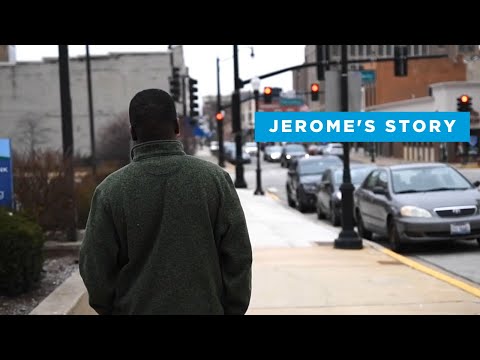
Inspiring Personal Journeys of Identity and Resilience
The refugee experience is a journey filled with both heartache and hope. Many individuals find identity in the midst of hardship, reshaping their narrative with courage. Stories of overcoming adversity remind us that even in the darkest moments, resilience can pave the way to self-discovery. When refugees share their experiences—whether leaving a war-torn home or transitioning from institutional care like orphanages—these personal accounts provide real-life templates for strength.
Step by step, many have learned to:
– Recognize the emotional weight of displacement
– Embrace cultural uniqueness and personal history
– Seek healthier coping mechanisms that celebrate resilience
A notable element in these paths is the blend of memoir, creativity, and community engagement. As shared in resources like Stories that Heal by VitalyBook, these real-life memoirs offer solace and inspiration not only to those directly affected but also to a global audience seeking genuine narratives.
Legal Aid and Mental Health Support
Access to Legal Assistance
For many refugees, gaining legal status in a new country is crucial. Legal aid services help simplify daunting immigration procedures and safeguard basic human rights. Organizations such as World Relief and Global Refuge offer programs that guide individuals through the maze of legal challenges. Step by step instructions on accessing legal help typically include:
- Verify your current immigration status
- Gather personal documents and records
- Contact local legal aid offices for guidance
- Attend informational seminars or workshops
Creating a checklist can be very helpful. Here's an example of a simple template:
- Personal identity documents (passport, birth certificate)
- Proof of displacement or conflict situation
- Legal filings or applications already submitted
- Contact information for community legal representatives
Emphasizing Mental Health
The emotional toll of displacement can often lead to mental health challenges that need urgent attention. Many organizations now integrate mental health support into their refugee aid programs. For those looking into support services, consider the following steps:
- Approach local community centers offering counseling services.
- Attend group therapy sessions which can serve as both healing and networking spaces.
- Explore teletherapy options if local in-person support is unavailable.
- Use self-care techniques like meditation, journaling, or simply talking with peers.
This dual approach—combining legal help with mental health care—helps refugees rebuild their lives with a focus on both safety and well-being.
Community Empowerment through Education and Economic Support
Education as a Catalyst for Change
Education plays a critical role in integrating displaced individuals into new societies. Empowerment through education is not only a tool for personal growth but also a means to contribute to the community. Initiatives led by organizations like SLC.gov and Frontiers in Education have recently focused on innovative, accessible educational models. These initiatives emphasize methods such as:
- Open-access online courses
- Community-led language workshops
- Mentorship programs aimed at career development
Educators and volunteers use these platforms to encourage refugees to share their knowledge, exchange skills, and gradually gain economic independence.
Volunteer Work and Economic Support
Economic empowerment is another crucial element in the journey toward belonging. Aside from formal education, refugees often discover a sense of purpose through volunteer work and creative self-employment. Communities sometimes facilitate access to startup grants, apprenticeship programs, or micro-loans that help turn dreams into actionable projects.
Organizations provide tools and guidelines for this process:
– Step by step guidance on starting small businesses
– Mentorship connections with local professionals
– Templates for business proposals and financial plans (often downloadable from resource sites)
A comparative view of these initiatives often shows that well-rounded support packages lead to more sustainable successes. Consider this simple table as an example:
| Initiative | Focus Area | Key Steps Supported | Tools Provided |
|---|---|---|---|
| Community Education | Learning & Skill Development | Language classes, digital literacy training | Course modules, interactive tutorials |
| Volunteer Integration | Social and Economic Inclusion | Mentorship programs, community service projects | Business proposal templates, grant advice |
| Legal and Mental Support | Rights and Wellbeing | Legal document preparation, counseling sessions | Checklists, resource directories |
This table highlights that whether it's educational empowerment, volunteer work, or specialized legal support, each approach builds a platform for integrated success.
Navigating Cultural and Societal Boundaries
Embracing Multiculturalism
For refugees, engaging with a new cultural landscape is often overwhelming but equally enriching. Navigating cultural boundaries involves learning about a host of traditions and societal norms while retaining one's own heritage. Small steps can include:
- Participating in local cultural events
- Joining community groups that celebrate diverse traditions
- Seeking cultural exchange programs
This blend of old and new creates a tapestry of shared cultural values, reminding everyone that migration is a bridging experience rather than a division.
Addressing the Politics of Migration
The politics surrounding migration can complicate the process of integration. Many refugees find themselves in a limbo between old identities and new community roles, facing challenges such as systemic bias or bureaucratic red tape. Advocacy groups work to offer both legal guidance and community resources that speak directly to these challenges.
Simple guidelines to navigate these challenges often involve:
– Keeping updated with changes in migration laws
– Building a network of supporters including local advocacy groups
– Engaging in community dialogues to voice concerns
A balanced approach that recognizes both personal stories and policy challenges can provide invaluable insights into the politics of migration.
DIY Homemaking and Self-Care in a New World
Redefining Home Through DIY Homemaking
Creating a sense of home in a new environment is both a practical and emotional challenge for refugees. DIY homemaking activities can become powerful expressions of personal identity and resilience. Many people have found that small everyday projects—like redecorating a room or starting a garden—help bridge the gap between past and present.
Consider these step by step tips for integrating DIY homemaking into your routine:
– Begin with small changes, such as rearranging furniture or adding a personal touch with photographs or crafts.
– Explore natural materials that can be easily sourced locally. For example, using reclaimed wood or homemade textiles can bring warmth.
– Engage family members or new community partners in creating shared spaces. This acts as both a bonding activity and a creative outlet.
These activities not only provide a means of self-expression but also reveal the subtle politics of migration where personal and communal spaces coexist.
The Role of Politics in Personal Spaces
Often, the act of creating a home in exile becomes a political statement. DIY projects might incorporate cultural symbols or traditional techniques that assert the refugee's identity in their new setting. Over time, these personal spaces may grow into community centers of sorts, welcoming both old customs and new influences.
Holistic Wellness Through Natural Healing Recipes
The Power of Natural Ingredients
Nature offers many healing ingredients that work on multiple fronts: they support not only the body but also the mind and spirit. Many refugees, amid the stress of displacement, have turned to traditional recipes that incorporate natural components known for their benefits. These recipes often use ingredients that support organs such as the liver and heart and help maintain overall well-being.
For instance, consider a herbal tea blend that includes chamomile, ginger, and lemon. Here's a basic how-to guide for making a relaxing herbal tea:
– Gather fresh or dried chamomile flowers, a small knob of fresh ginger, and a slice of lemon.
– Boil water and add the ginger first, letting it steep for three minutes.
– Add the chamomile and lemon, then cover the tea for five additional minutes.
– Strain the mixture and enjoy while reflecting on the resilience that nature inspires.
Healing Recipes from the Heart
Homemade recipes often carry a legacy of healing passed down through generations. One popular dish is the traditional Ukrainian borsch, a beet-root soup celebrated for both its nutritional value and cultural significance. You can learn more details and a detailed recipe in Vitaly's Borsch Recipe. This soup, rich with beets, cabbage, and natural spices, has been used to support liver function and boost vitality.
Below is a simplified step by step guide to preparing a healing vegetable stew:
– Prepare a mix of natural vegetables such as carrots, cabbage, and tomatoes.
– Use fresh herbs like dill and oregano for flavor and wellness benefits.
– Begin by lightly sautéing the vegetables in a small amount of olive oil.
– Add water or broth and let the mixture simmer until everything is tender.
– Season gently and serve warm, letting each bite reflect the care put into restoring health.
Tools and Templates for Holistic Wellness
Integrating natural healing into your daily routine can be as simple as keeping a wellness journal or using an online template to track dietary habits. Many community centers now offer free online templates that help guide meal planning based on natural ingredients. These templates include:
– Daily meal planners that focus on nutrient-rich recipes
– Checklists for natural ingredients sourced from local markets
– Step by step instructions for preparing healing recipes
– Tips for pairing foods to maximize natural healing properties
By following these guidelines, individuals can transform everyday cooking into a practice that not only nourishes the body but also nurtures cultural traditions. In a way, the act of preparing food becomes an art—an art that mends old wounds and creates a new narrative of belonging.
The intertwining of healing recipes, personal memoirs, and community-driven initiatives reflects a broader mission: transforming scars into symbols of strength. This approach integrates the natural rhythm of healing with the political and emotional processes of migration. Each recipe and each shared personal journey contributes to an ever-growing community of resilience and identity, fostering a space where everyone can find a sense of belonging while embracing the journey from loss to hope.
Conclusion
We recapped natural healing recipes and community care, stressing warm self-care and shared stories. Key learnings include gentle organic wellness, honest resilience, and the value of simple support steps. VitalyBook helps guide through real-life memoir and transforming scars into strength, and folks can now take small steps for better living. Explore support now with VitalyBook — Stories of Resilience & Identity
Related Posts
- ukrainian recipes for your family f healthy vegetable stew rom best book memoir to read
- ukrainian recipes for your family chicken mushrooom soup from best memoir books to read
Frequently Asked Questions (FAQs)
How do natural ingredients support the healing of organs?
Natural ingredients are packed with nutrients that can boost your body's natural defenses. They work gently, helping reduce inflammation and support the body's internal balance. Think of herbs like turmeric and ginger – they are known for their soothing effects and can be added easily to your diet to offer natural relief.
What are some simple healing recipes using natural ingredients?
There are plenty of easy recipes that use everyday ingredients to help nourish your organs. For example, a warm ginger and lemon tea can help soothe your throat and clear your sinuses. You might also try a salad with dark leafy greens, nuts, and berries, drizzled with olive oil and a splash of apple cider vinegar. These recipes are not only tasty but also supportive of a balanced well-being.
Can holistic wellness improve my health overall?
Yes, holistic wellness looks at health in a complete way. It's about taking small, gentle steps every day. By using natural recipes and caring for your mind and body, you build a strong base for better overall health. Focusing on natural ingredients means you can avoid some of the chemicals found in processed foods and instead enjoy the pure goodness of nature.
How can I easily incorporate healing recipes into my daily routine?
It might sound tricky at first, but start simple. You can prepare a batch of homemade herbal tea or a fresh smoothie that uses fruits and vegetables rich in vitamins. Over time, try to mix a few natural recipes into your daily routine. A slow integration is key, so you gradually notice an improvement in your energy and overall wellness.
From a Ukrainian orphanage to global storytelling VitalyBook shares stories of resilience, LGBTQ+ empowerment, identity, and healing. How can these stories inspire my healing journey?
VitalyBook tells real stories that mix personal struggles with inspiring recoveries, showing how life can improve with honest care. Their approach ties in naturally with healing recipes, as both embrace the idea that small acts of self-care can make a big difference. These narratives remind us that even from challenging beginnings, like those from a Ukrainian orphanage, there is strength in embracing our truth and caring for ourselves—inside and out. For more about their work, check out VitalyBook — Stories of Resilience & Identity.
Sources
- Sport Saved Me Two Refugee Women One Shared Journey Of Hope And Inclusion
- Video: Refugee's Journey to Belonging | World Relief Chicagoland
- Frontiers | Building a pathway to belonging: the role of higher education in supporting refugees' inclusion
- The%20Journey%20To%20Belonging%20In%20The%20Twin%20Cities%20Report.Pdf